
How Halo Infrared Heating Helped St Luke’s Church Achieve Net Zero and Grow Its Community
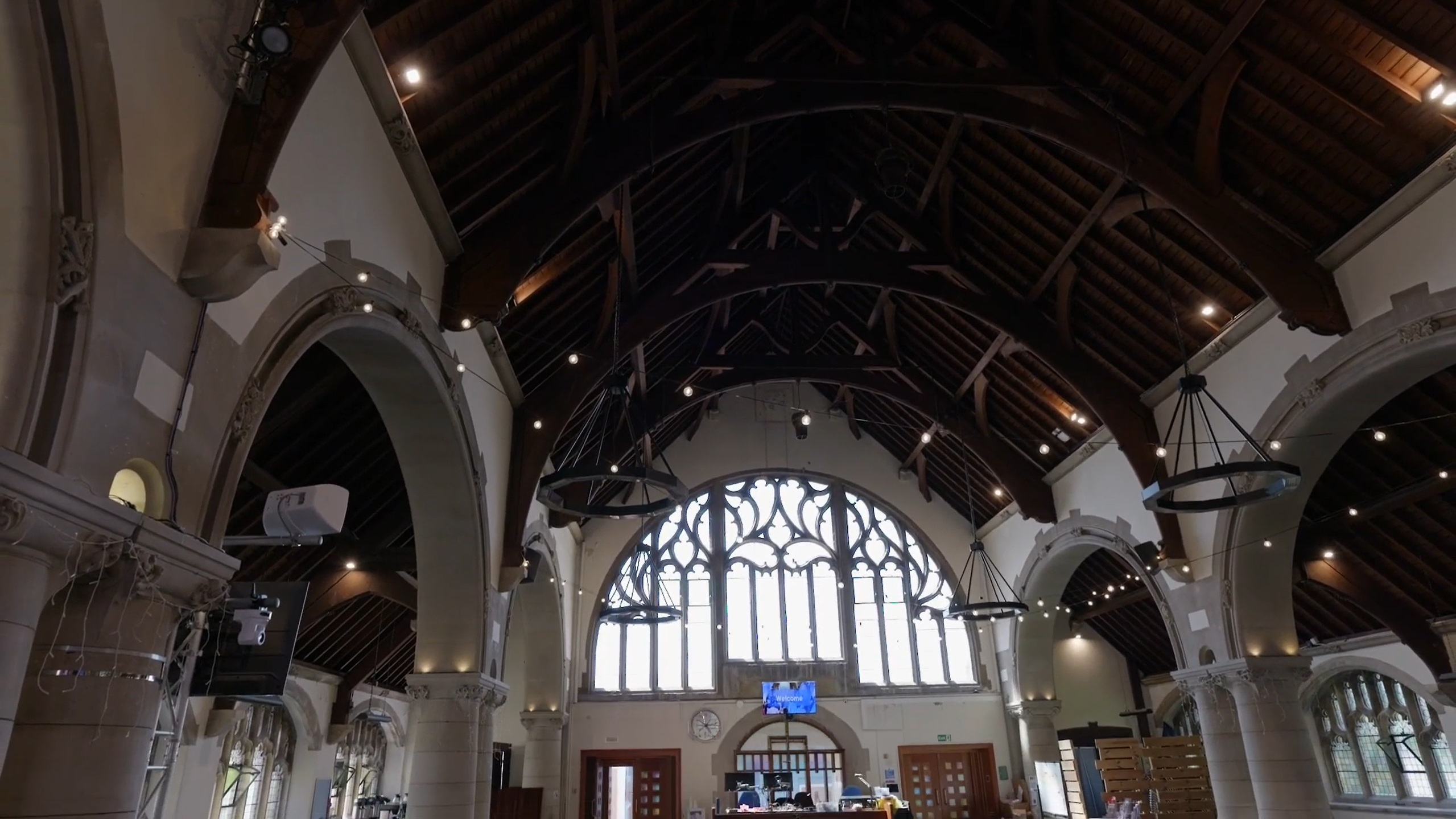
As one of the Church of England’s Net Zero Carbon Programme Demonstrator Churches, St Luke’s replaced its ageing gas heating system with Halo infrared heating, creating a fully electric church that is warmer, more welcoming and free from reliance on fossil fuels. Take a look at this inspiring Church of England video which shows what St Luke’s has achieved in its decarbonisation efforts, with results that go beyond sustainability.

Background
Historic churches face a unique challenge. They need to provide a warm, comfortable environment for worship and community activities while reducing energy consumption, protecting heritage features and meeting ambitious sustainability targets.
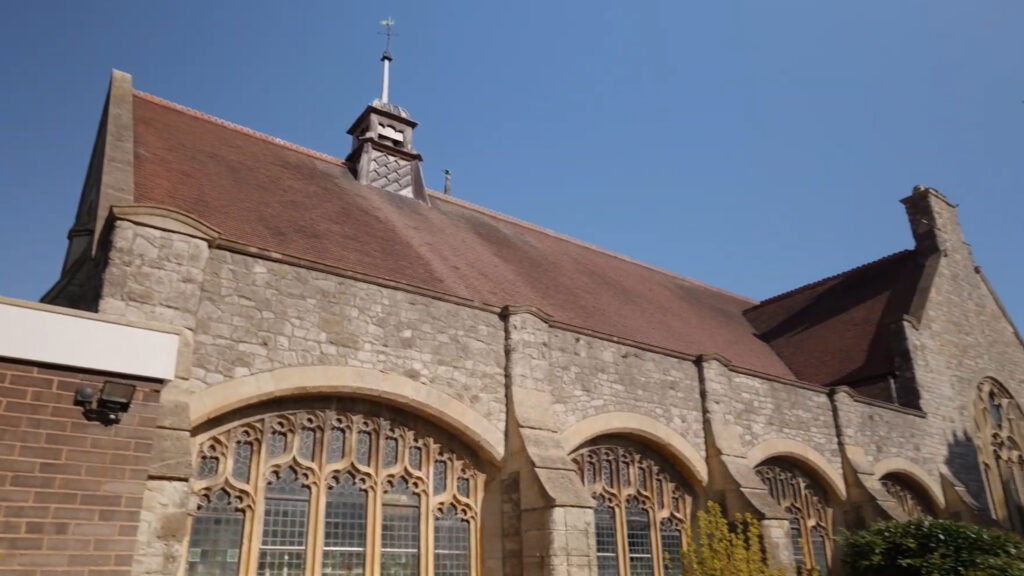
St Luke’s Church in Maidstone, a Victorian church, has shown that it’s possible to achieve all of these goals.
The Challenge
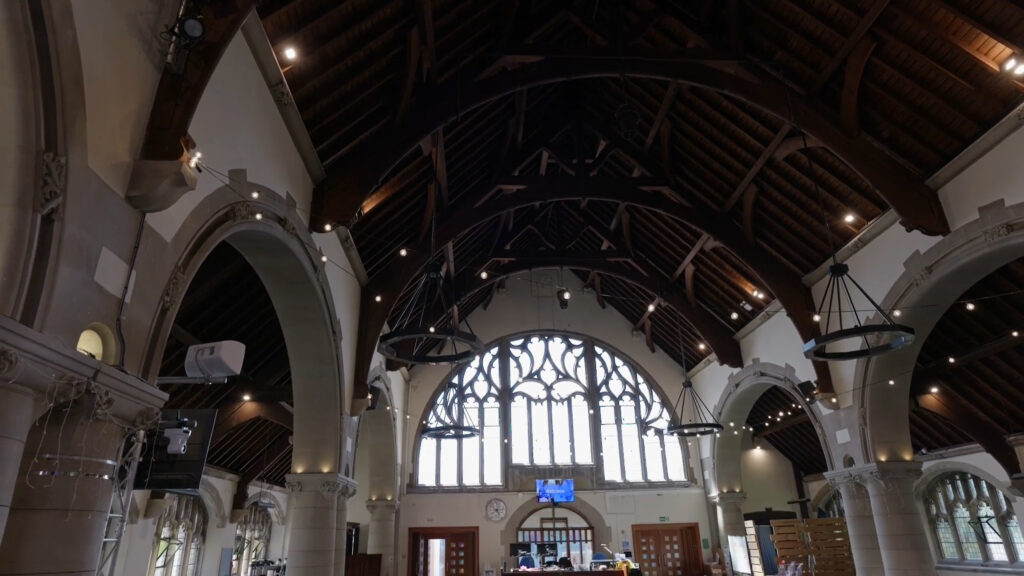
When Rev Gareth Dickinson arrived at St Luke’s in 2020, the church’s existing gas heating system was no longer providing a comfortable environment during the colder months.
According to the Church of England, visitors attending toddler groups, Alpha courses, community activities and Sunday services often kept their coats and hats on throughout the winter because the building was so difficult to heat.
Creating a welcoming environment was central to the church’s mission.
As Rev Gareth explains:
“…..we have to be a warm and welcoming space because often that’s the starting point for people.”
At the same time, St Luke’s wanted to support the Church of England’s Net Zero Carbon ambitions by removing its dependence on fossil fuels.
Why Halo Infrared Heating?
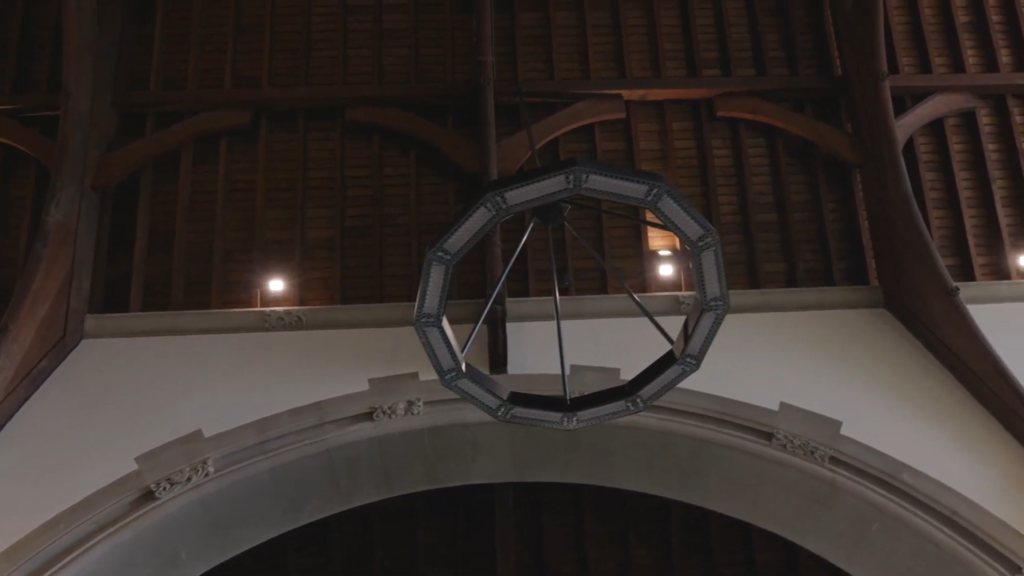
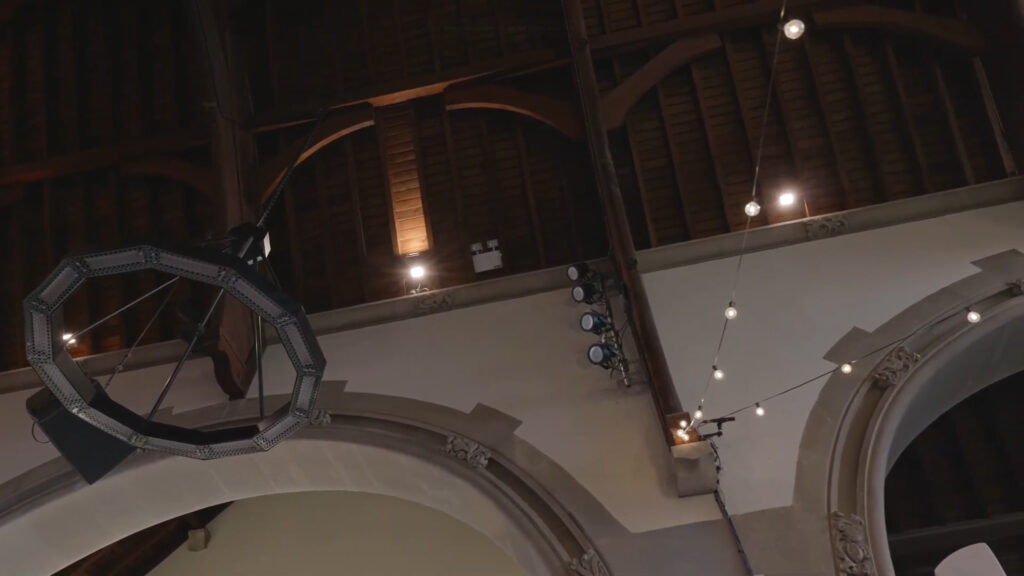
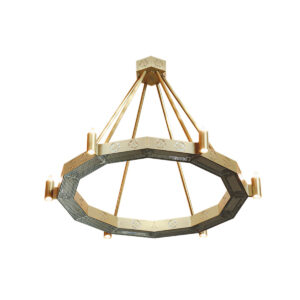
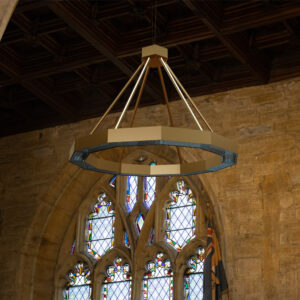
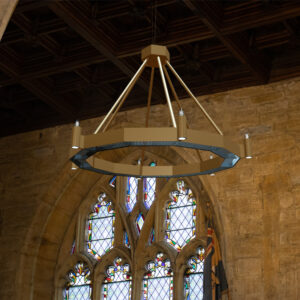
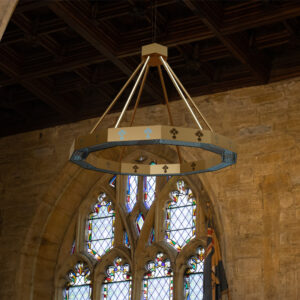
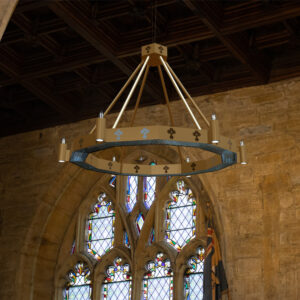
Following funding through the Church of England’s Net Zero Carbon Programme and the Benefact Trust, St Luke’s selected Halo infrared chandeliers. Unlike conventional heating systems that first warm the air inside a large building, infrared technology delivers radiant heat directly to people. This makes it particularly effective for churches and heritage buildings with high ceilings, where traditional heating systems can waste significant amounts of energy heating unused air volume.
The Halo chandeliers also complemented the church’s historic interior while delivering an efficient, modern heating solution. The project involved a complete Herschel installation of 7 x Halo infrared heaters as well as a number of Aspect heaters. The heaters are all controlled by Herschel InfraSense.
Supporting Net Zero Carbon
Replacing the old gas heating system has enabled St Luke’s to become a fully electric church, removing its reliance on fossil fuels and significantly reducing its carbon footprint. As Rev Gareth says:
“God wants us to look after creation, and we model that to our community.”
The Results
The benefits have extended well beyond reducing carbon emissions.
Since installing Halo infrared heating, the church has become noticeably warmer and more comfortable for worshippers, visitors and community groups.
The impact has been hugely positive.
“…because we’re seeing more people come, more people feeling welcomed, and more people are joining us on a Sunday.”
The church reports approximately 23% growth in attendance over the past 12 months, demonstrating how improved comfort can directly support a church’s mission and community engagement.
Advice for Other Churches
For churches considering their own journey towards Net Zero, Rev Gareth offers simple advice:
“Be bold and courageous and go for it, because you can make small, incremental changes that have a significant impact on your carbon footprint for the better.”
Looking to Decarbonise Your Church?
Halo infrared heating is helping churches across the UK reduce carbon emissions, improve comfort and create welcoming spaces for worship and community life. Our team can help you identify the right infrared heating solution for your building and offer a full service from specification to installation. Herschel can also provide details on its Energy Storage System (ESS).
More Projects Like This
Featured Products
-
5 Year WarrantyVariable power optionColour OptionsMade to Order

 View Product
Halo Infrared Heater
BYPOA