Halo Supports Church of England Net Zero Demonstrator Project
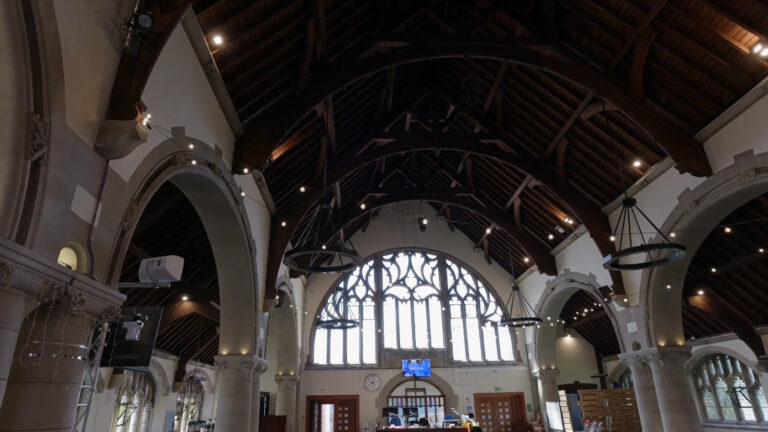
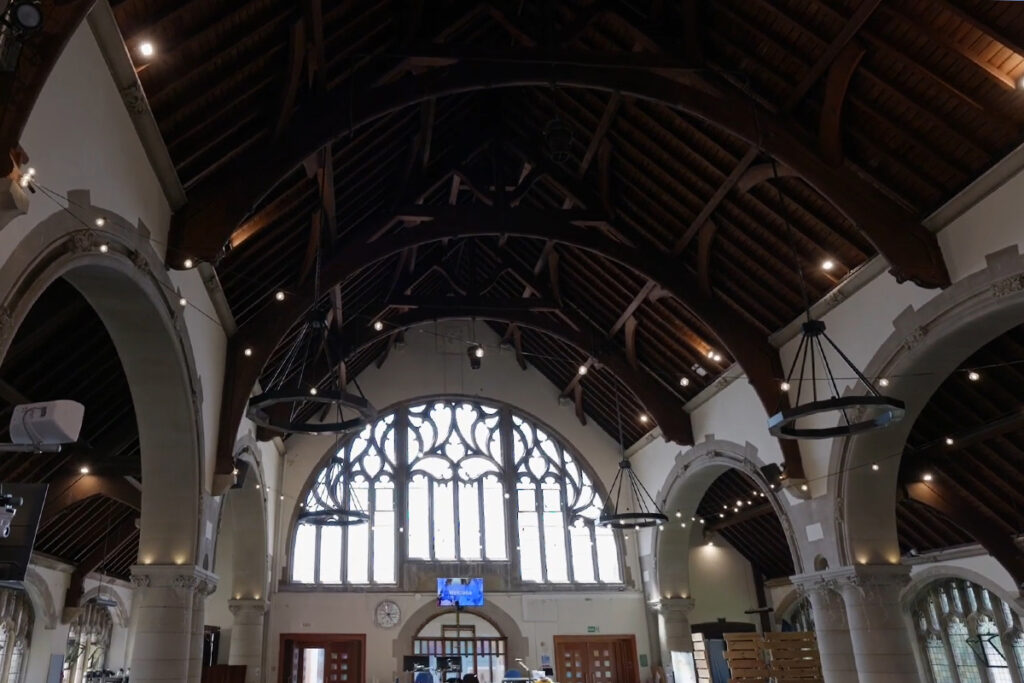
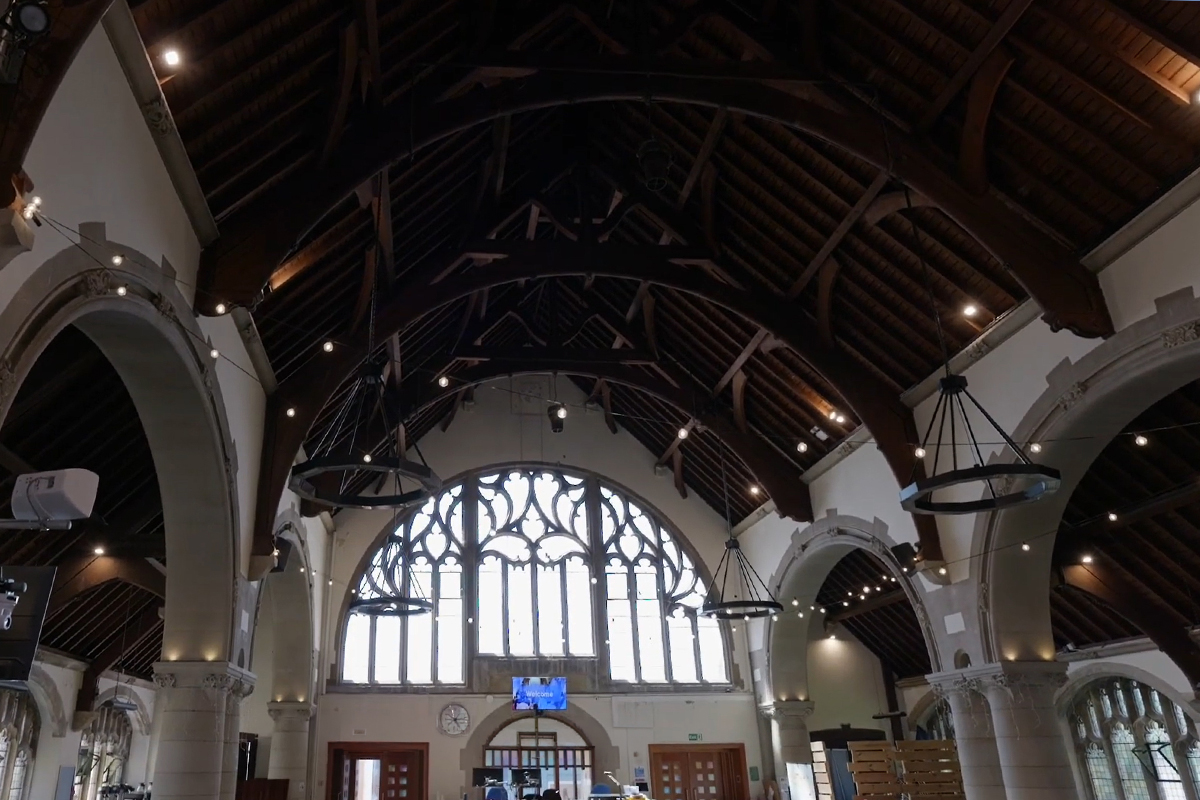
St Luke’s Church in Maidstone is led by Rev Gareth Dickinson, and is constantly looking for ways to bring people together and create a warm, comfortable environment where everyone feels welcome.
For St Luke’s, creating that welcoming environment meant tackling an issue that had been affecting the church for years: the heating.
A church that was difficult to keep warm
When Rev Gareth arrived at St Luke’s in 2020, the existing heating system struggled to provide a comfortable temperature during the colder months. Those attending the church’s weekly events, including Sunday Service, would often find themselves keeping their coats and hats on while inside. For a church committed to welcoming its wider community, this was something they wanted to change.
At the same time, St Luke’s was keen to reduce its environmental impact and move away from fossil fuels.
Moving towards a fully electric church
As part of a wider programme of building improvement works, St Luke’s became a Net Zero Carbon Programme Demonstrator Church.
This provided £50,000 of funding through the Net Zero Programme, alongside £36,000 from the Benefact Trust, helping the church make significant improvements to its building and replace its reliance on fossil fuels.
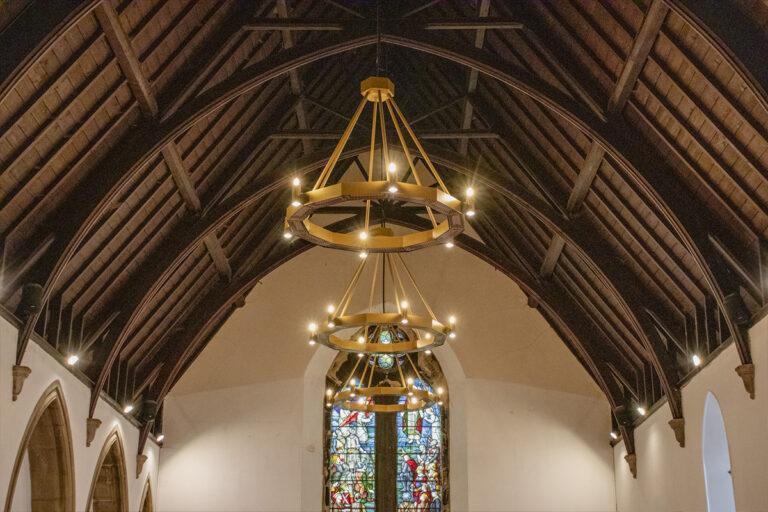
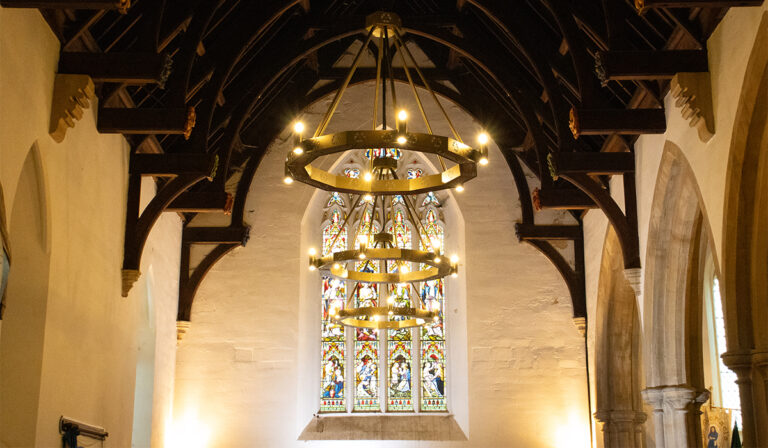
After exploring a number of heating options, the church chose a combination of Halo and Aspect infrared heaters from Herschel.
Unlike conventional heating systems that primarily warm the air, infrared heating warms people and surfaces directly rather than heating the air first. This makes it particularly well suited to large, open spaces such as churches, where maintaining a comfortable air temperature can be challenging and inefficient.
The new system was installed over summer 2025, helping St Luke’s take an important step towards becoming a fully electric site.
More than just a heating upgrade
The impact has been about much more than simply changing the way the church is heated.
According to Rev Gareth, the difference in comfort has helped transform the experience of being at St Luke’s and, importantly, its relationship with the wider community.
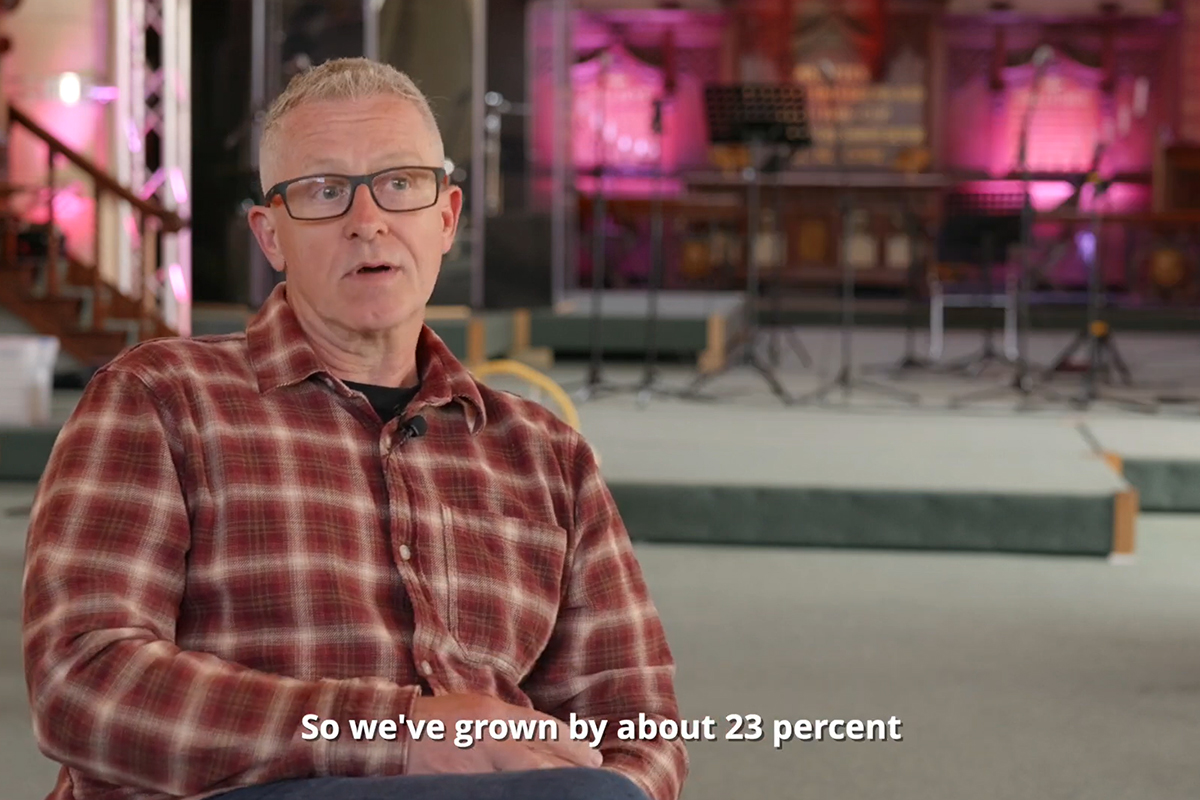
“It’s transformed the community because we’re seeing more people come, more people feeling welcomed, and more people are joining us on a Sunday.”
In the 12 months since the installation, attendance has grown by around 23%, with the improved comfort helping St Luke’s create a warmer and more welcoming environment for worship, community activities and social gatherings. It’s a powerful example of how decarbonisation projects can deliver benefits that extend well beyond reducing carbon emissions.
For St Luke’s, moving away from fossil fuels has gone hand in hand with creating a more comfortable, welcoming and accessible space for the people who use it.
A message for other churches
For other churches considering similar changes, Rev Gareth’s message is simple:
“Be bold and courageous and go for it, because you can make small, incremental changes that have a significant impact on your carbon footprint for the better.”
St Luke’s demonstrates what can be achieved when environmental responsibility and the needs of the community are considered together. By replacing its old heating system with efficient electric infrared heating, the church has taken a significant step towards its Net Zero ambitions while creating a space where more people can feel comfortable, welcome and part of the community.
We’re delighted to see the difference the Halo infrared heating system is making at St Luke’s and to have played a part in its journey towards a more sustainable future.
If you’re considering a similar heating project, we’d be happy to help. Please get in touch to discuss how infrared heating could work for your space.