How Halo Infrared Heating Transformed St Mary the Virgin, Denby
Heating a historic church without harming its fabric or finances is one of the biggest challenges facing the heritage market today. St Mary the Virgin Church in Denby, Derbyshire, a Grade I listed building with nearly 1,000 years of history, faced exactly this problem. Their journey from an inefficient gas system to a highly effective Halo infrared heating solution offers a compelling example for churches and heritage sites across the UK.
With thanks to Dave Curtis, Churchwarden, and the team at St Mary the Virgin for sharing their Herschel Halo heating story with us.

Previous System
The previous ageing gas boiler and radiators could not heat the building, and winter services remained uncomfortable even after six hours of pre-service running time.
Quotes for a replacement gas system came in at £60,000-£77,000 and the church team realised they needed a complete rethink.
Balancing Comfort, Conservation & Net Zero Goals
St Mary’s needed special permission (a Faculty) from the Diocesan Advisory Committee. Any new system had to improve comfort, reduce carbon emissions, and comply with the Church of England’s Net Zero 2030 commitments.
The church team carried out an extensive evaluation of alternative heating solutions, including air-source heat pumps, radiators, underfloor, solar integration and infrared and completed the Church of England Checklist called the Practical Path to Net Zero Carbon.
After answering a few queries, the DAC approved the proposal.
Why Halo Infrared was Chosen
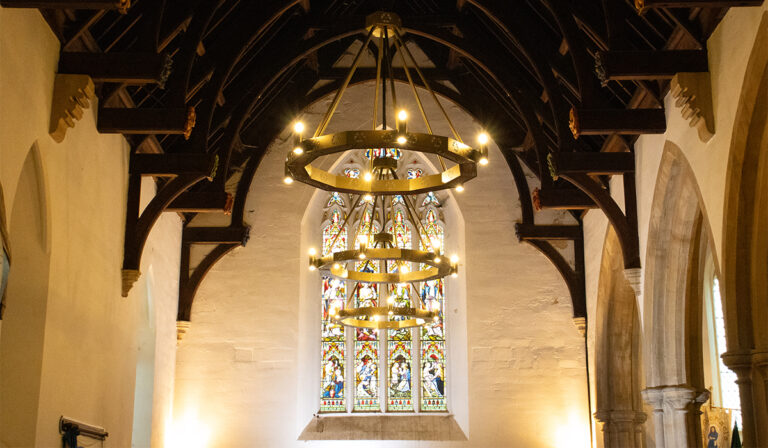
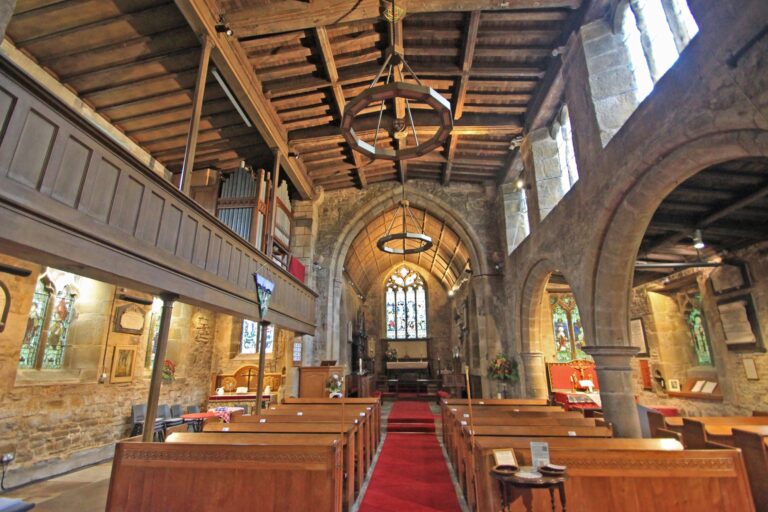
A visit to Herschel’s production facility helped the team understand how infrared could deliver focused, efficient warmth without impacting the church’s historic interior.
Compared to the gas-based options, Halo infrared heating stood out for both performance and price:
-
almost 40% cheaper to install than gas and radiators
-
66% lower running costs
-
88% reduction in carbon emissions
The Results: Warm with Reduced Carbon
Winter events have seen a marked increase, one of the church’s key aims from the outset, due to the much improved comfort for visitors.
“The main Halo heaters in the nave work very well”.
Halo Heating Solution for Historic Buildings
For churches, heritage sites and listed building, the Halo infrared heating system offers:
- significant energy savings
- reduced carbon emissions
- fast, highly controllable heating for intermittent use
- improved comfort
- minimal impact on historic character
The full case study from St Mary the Virgin, Denby, is available here and includes details on the costs involved, available grants and project timescales. The church has also kindly expressed they are happy to share their story and carbon calculations with other churches evaluating their heating so